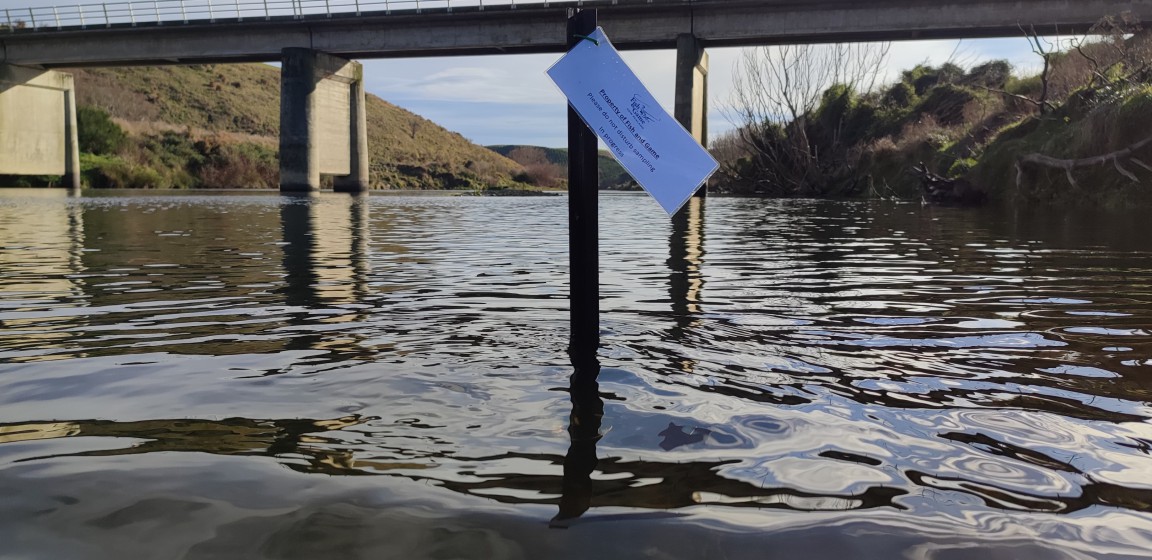
30 September 2024 - June 2025
Project Outcomes 2025
The Trust received its first funding allocation on 30 September 2024 and planned contract work started in April 2025.
Also Read

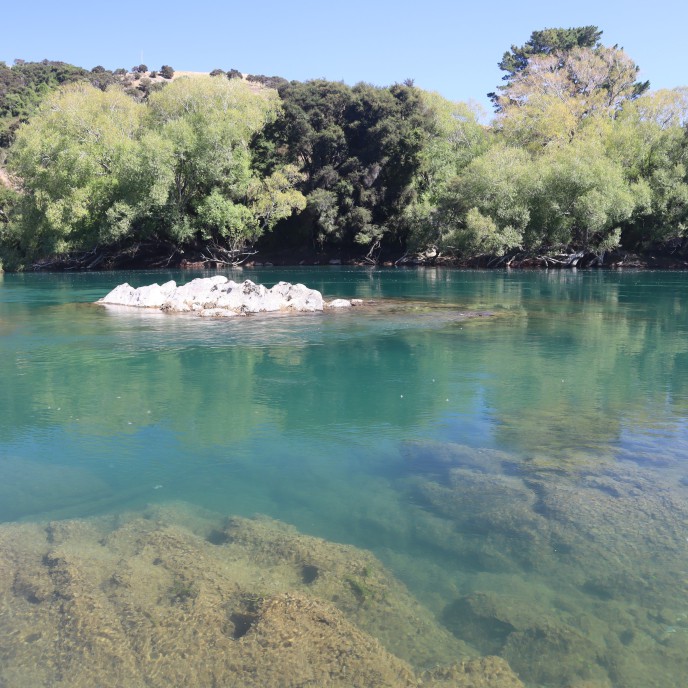
Hatchery Confirmation
The Clutha/Mata-Au Sportsfish and Habitat Trust has announced that an independent science report has confirmed that building a hatchery to rear and release juvenile salmon is the best way to restore sea-run salmon and enhance the lower Clutha River’s sports fishery.
Read the Full Press Release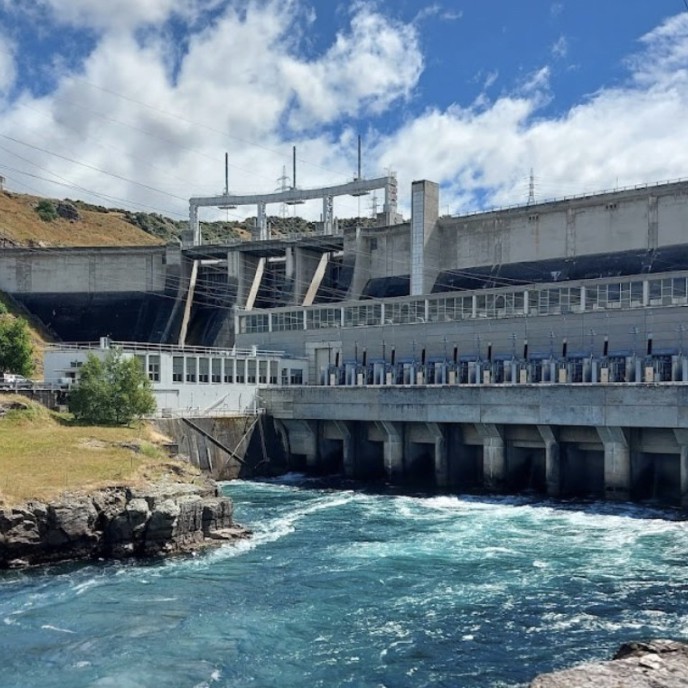
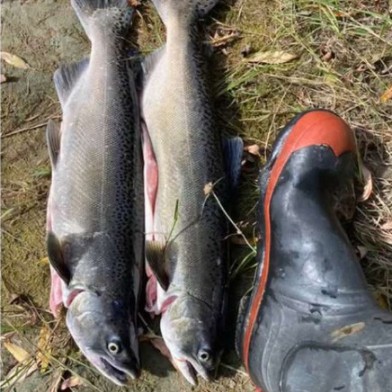
Roxburgh Angler Surveys & Otolith Collection
A roving creel survey was conducted on the Clutha River/Mata-Au downstream of Roxburgh Dam during March and April 2025 to assess the state of the recreational salmon fishery. The primary objectives were to estimate angler effort and catch, determine angler targets, compare findings with historical data, and collect biological samples for ongoing research.
Read the Full Report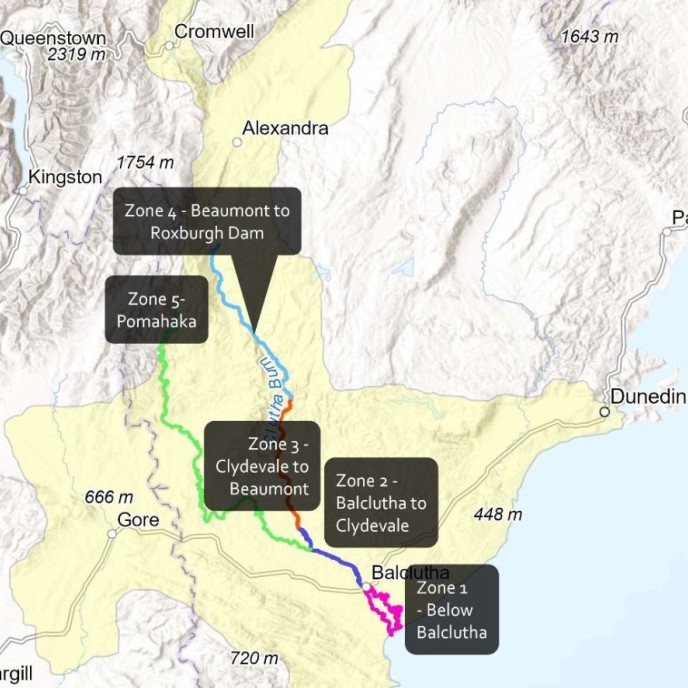
Lower Clutha Salmon Harvest Monitoring
A survey to estimate angler effort and salmon harvest in the lower Clutha River for the 2025 fishing season combined a large-scale email survey of local licence holders with targeted telephone follow-ups to provide a statistically robust overview of salmon fishing activity and catch. The key findings show a fishery with substantial angling effort but minimal salmon harvest.
Read the Full Report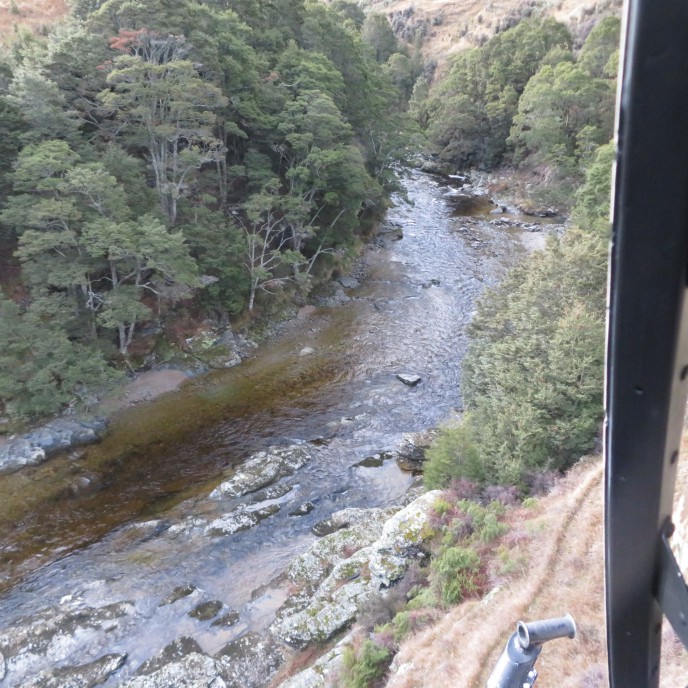
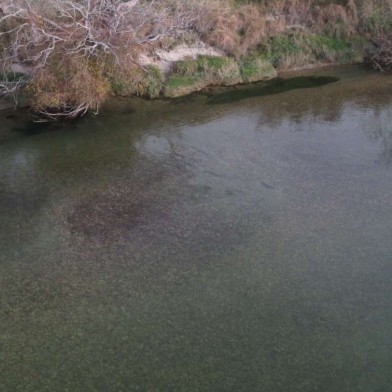
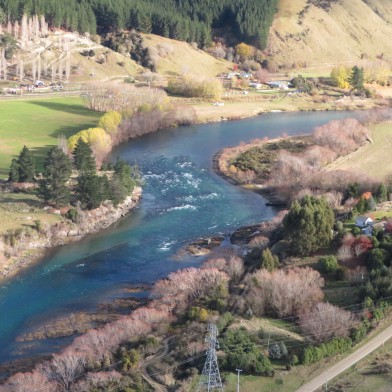
Clutha Catchment Aerial Spawning Monitoring
In May and June 2025, Otago Fish & Game conducted aerial surveys to assess salmon and trout spawning in the Lower Clutha/Mata-Au catchment. The surveys covered the main stem of the Clutha River/Mata-Au and key tributaries: the Pomahaka River, Leithen Burn, Benger Burn and Sandy Creek. The principal finding is a continuation of the significant long-term decline of the Clutha salmon spawning population.
Read the Full Report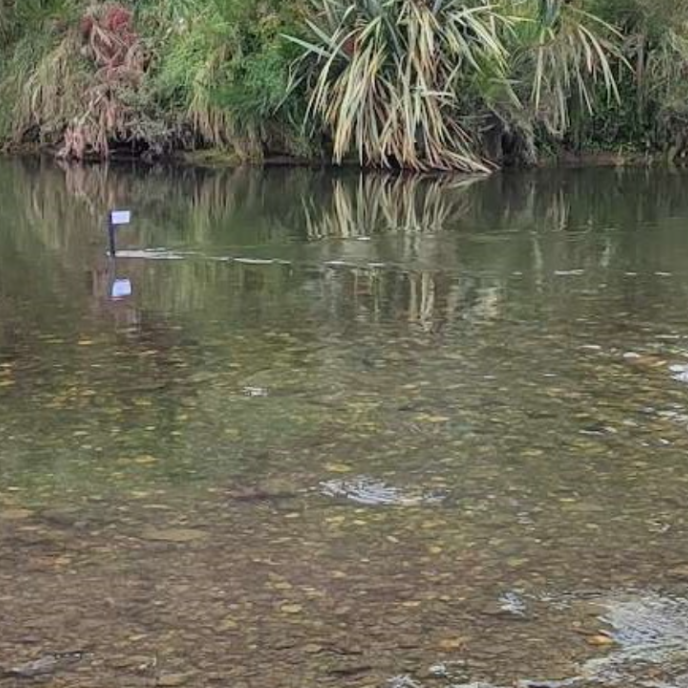
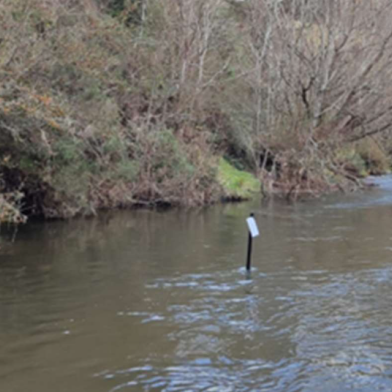
Pomahaka River Salmon eDNA Study
The Pomahaka River catchment is a historically significant spawning area for Chinook salmon, but recent information on this population is limited. This report details the findings of an environmental DNA (eDNA) survey conducted in late May 2025. The primary objective was to determine the presence of Chinook salmon and characterise the wider fish community across eight sites in the Pomahaka, Waipahi, and Leithen waterways.
Read the Full Report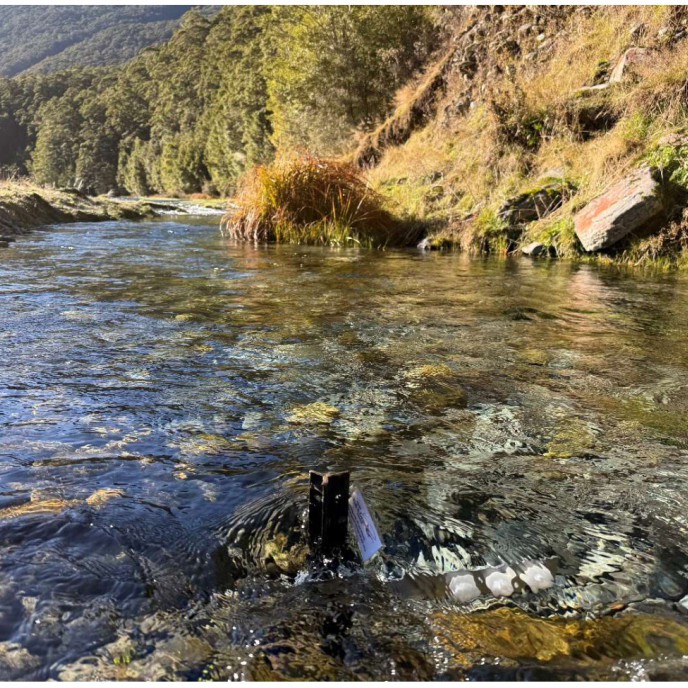
Upper Clutha Salmon Surveys & eDNA Study
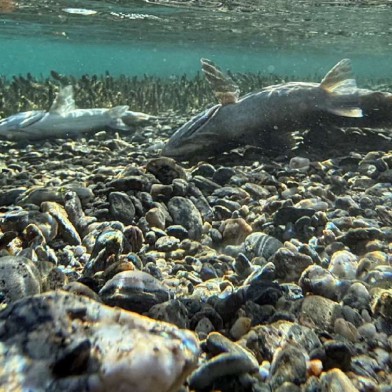
The Hunter River catchment has historically supported strong salmonid fisheries, including land-locked Chinook salmon (Oncorhynchus tshawytscha), which remain important for recreational angling. In 2025, the Mata-Au Trust commissioned a study to investigate the primary objective of determining whether and where Chinook salmon are currently spawning in the catchment. The study combined foot-based surveys with environmental DNA (eDNA) analysis at seven sites, during two periods, late May and mid-June. No live or dead salmon were observed—likely due to post-spawning mortality, scavenging by predators such as longfin eels, and the small size of land-locked salmon. However, eDNA results confirmed the presence of salmon at six sites in May, with detections dropping sharply by June, indicating peak spawning occurred in mid to late May.
Read the Full Report