2025 / 2026
Annual Project Plan
Within the scope of the Trust Deed and the Funding Agreement the Trust has produced a Business Plan to guide their work over the next 3 years. Each year Trust activities will be identified in an annual plan focused on the objectives of the Trust Deed.
The Year Ahead
Hatchery Consenting
Complete consultation with Ngai Tahu and the wider community on the salmon hatchery by 31 March 2026.
Prepare consent applications for the necessary hatchery approvals, resource consents and building permits for the proposed hatchery at Roxburgh, including supporting reports, so that they can be lodged by 1 June 2026.
Habitat Enhancement
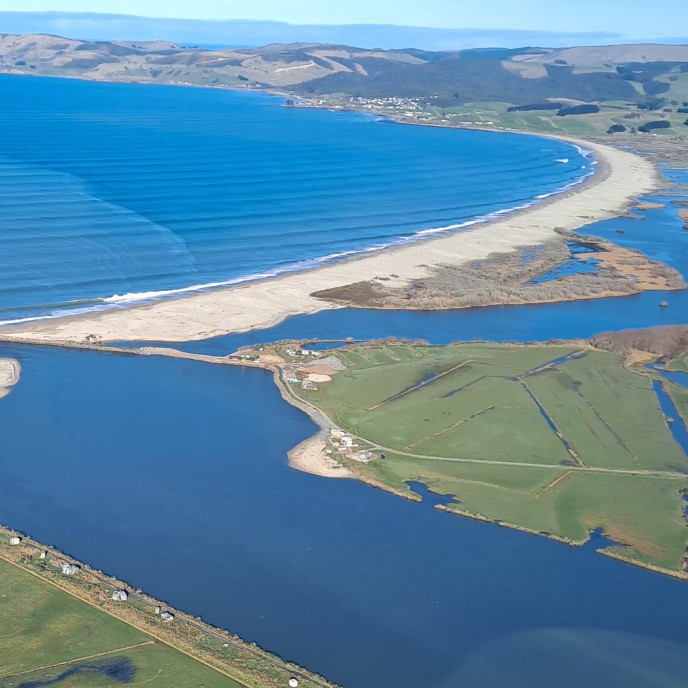
Lower Clutha Lagoons - A multi-year project to improve and restore these habitats and re-introduce tidal flows that will provide substantial habitat benefit at a regional level.
Manuka Island, Benger Burn, Leithen Burn - Continue habitat enhancement work at the Manuka Island site, including general maintenance, release of last season new plantings, replacement plating and predator control. Riparian habitat enhancement will be evaluated in the Benger Burn. Riparian habitat planting and fencing to protect sportsfish habitat in the Leithen Burn will be commenced after a site survey, discussion with landowners and identifying priorities.
Habitat Protection/Restoration
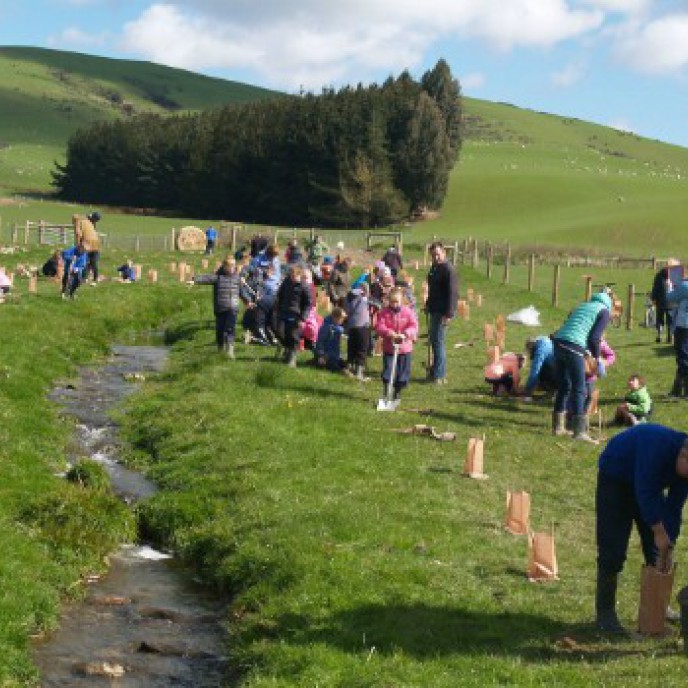
Crookston Burn and Heriot Burn - A cooperative project with the Pomahaka Water Care Group. In a 2023 Otago Fish and Game study, the Crookston Burn and Heriot Burn (tributaries of the Pomahaka River) were identified as amongst the top half dozen natal sites of brown trout caught in the lower Clutha River. Both streams flow through developed farming land and are ideal for habitat restoration. Pomahaka Water Care Group will be responsible for undertaking farm visits, site selection, and arranging and undertaking riparian planting with native plants and plant maintenance for the first year. Farmers will provide fencing where it does not already exist. The Trust will provide the native plants and after the first year maintenance of the plantings will be by the farm owners.
Lower Clutha Surveys
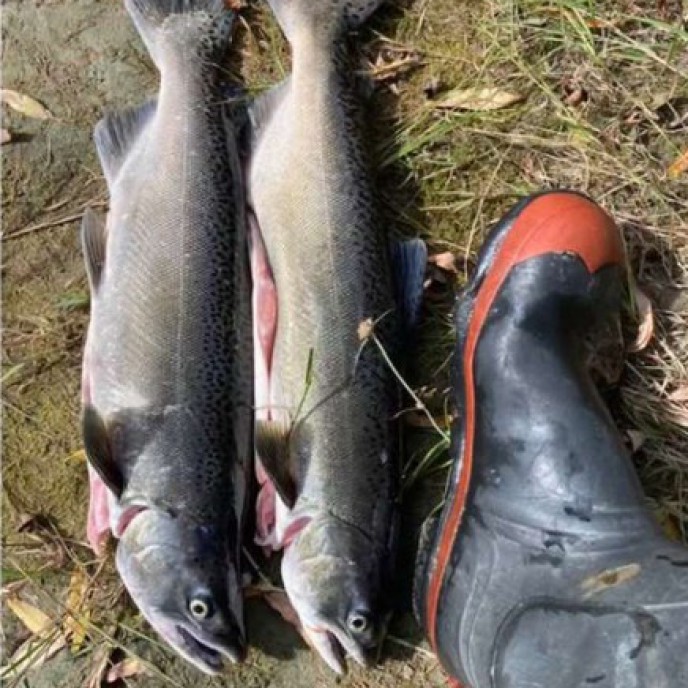
Lower Clutha salmon creel survey and salmon head collection - This project repeats an on-site creel survey to monitor sea-run salmon angling effort and harvest at catching locations below the Roxburgh Dam during the main salmon fishing season. It provides essential information for future evaluation of salmon returns from the proposed hatchery.
Lower Clutha salmon harvest survey - This project repeats the survey undertaken in 2025 and is part of understanding future releases from the proposed salmon hatchery. This survey will sample salmon anglers to capture information on their salmon harvest and fishing locations with the objective of estimating the total salmon harvest in the lower Clutha.
Monitoring Fish Populations in the Lower Clutha and Tributaries
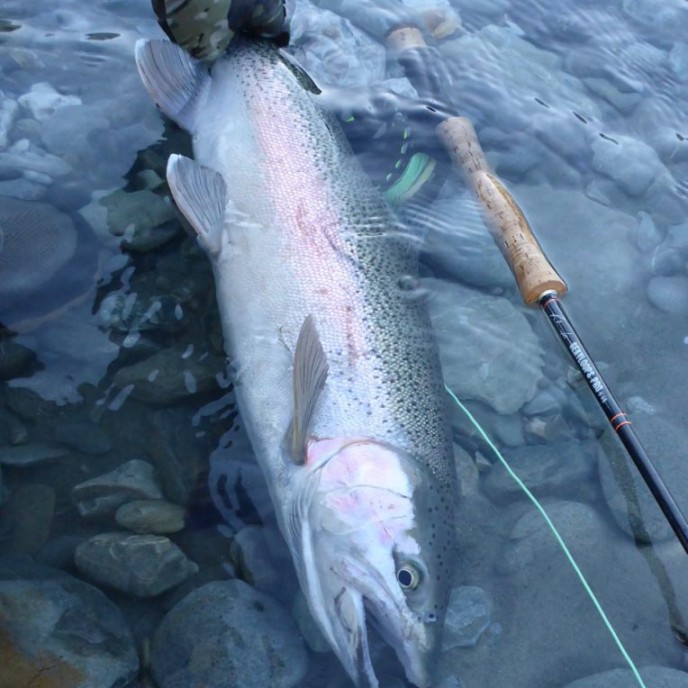
PhD project in conjunction with Otago University - This work is aimed at improving knowledge of the main sportsfish and native fish populations in the lower Clutha River and key tributaries below the Roxburgh Dam. In 2025 Trustees approved a multiyear PhD project to be funded over 3-4 years.
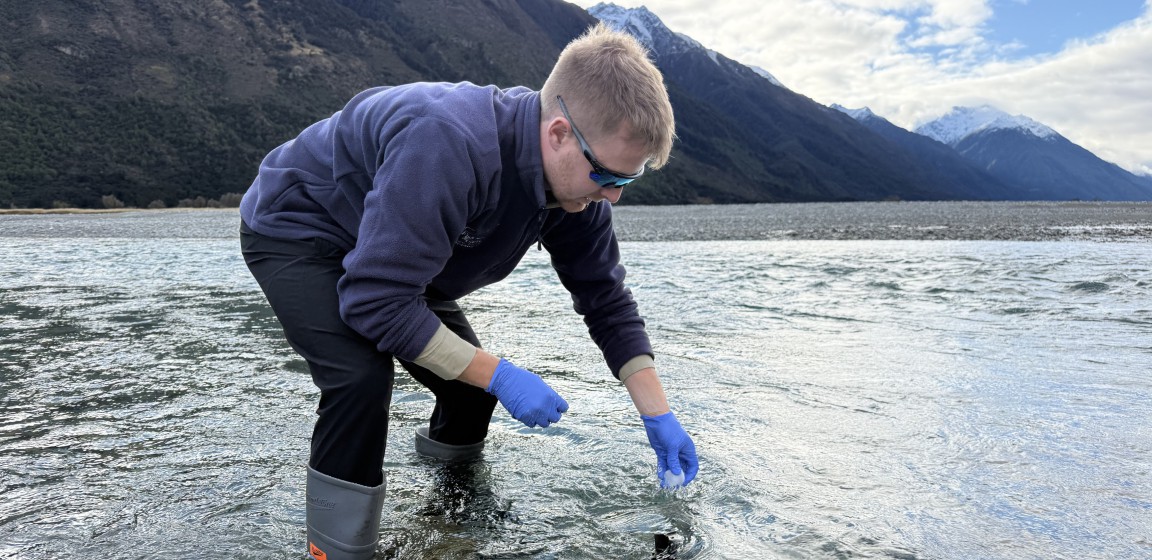
Pomahaka River e-DNA study - Past surveys have indicated a small population of sea-run salmon is present in the Pomahaka River. There is no recent documented information on the population, and it is not known if it still exists. This project is aimed at providing essential information to determine whether a residual salmon population is still present, its sportsfish values, and an understanding of the habitats sportsfish depend on.
Effect of hatchery salmon releases on native fishes in the lower Clutha River - It is anticipated that this project will be a desktop study of the scientific literature in New Zealand to understanding the potential effect of releases of hatchery salmon on native fishes and their values in the lower Clutha River.
Salmon Research
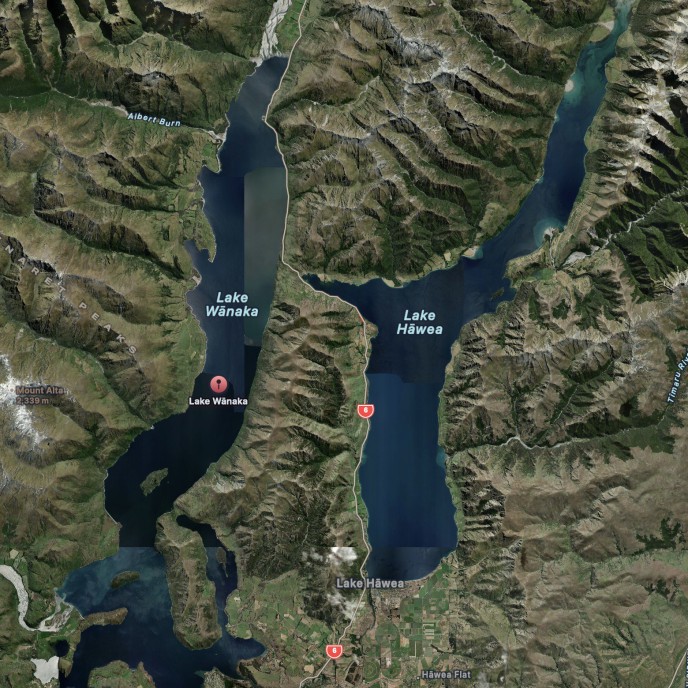
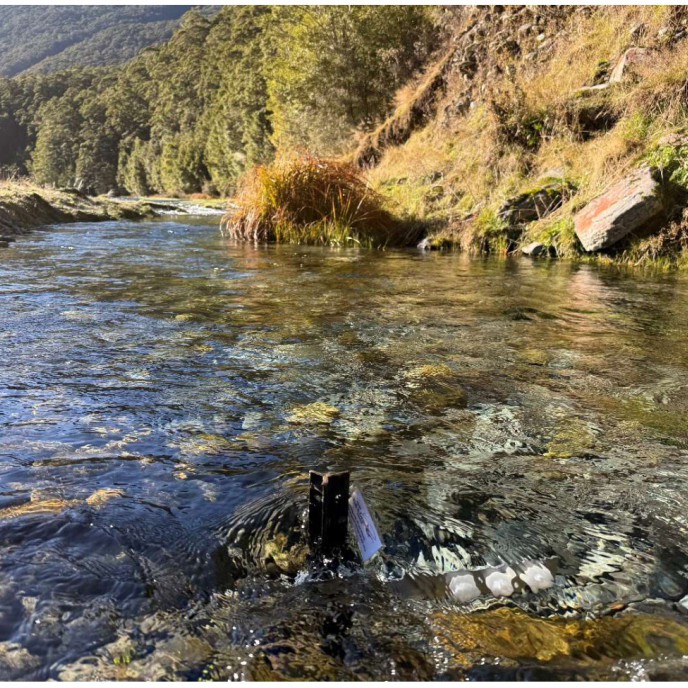
Upper Clutha salmon spawning ground identification - This work is aimed at building a better understanding of the habitats used for spawning by the lake-dwelling populations of salmon in Lakes Wanaka, Hawea and Wakatipu needed for their future protection and management. These populations are an essential source of brood stock for a future salmon hatchery. They also support valuable recreational fisheries, especially in Lake Hawea.
Research into Clutha catchment salmon as a source of brood stock for a hatchery at Roxburgh Dam - This project will investigate some of the issues associated with harvesting salmon for broodstock from the Upper Clutha lake- dwelling populations.